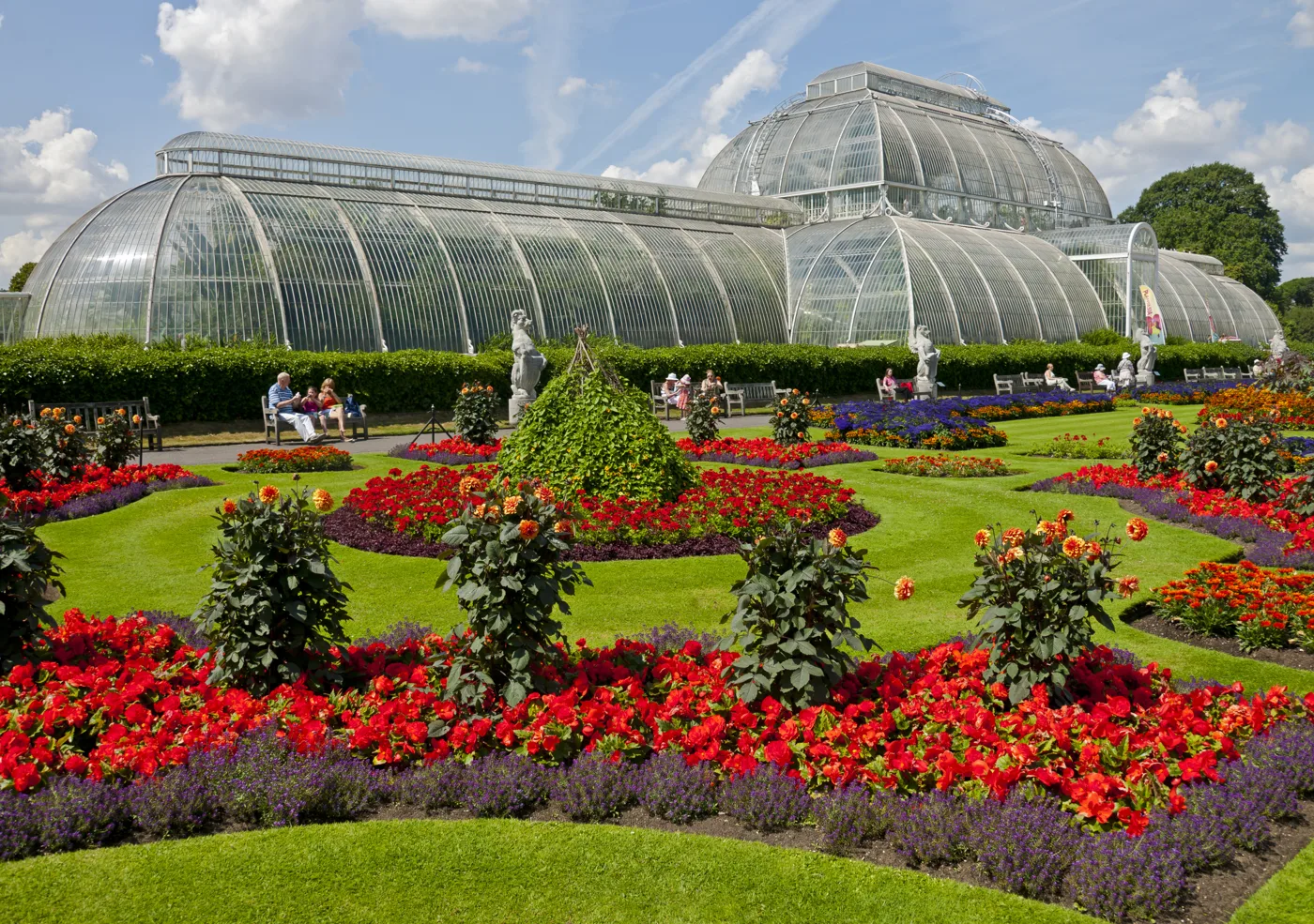

Kew wants £1m from the public for its £66m Palm House renovation, with about half the money found. The glasshouse closes in February 2027 and reopens empty in the summer.
Kew Gardens has asked the public for £1 million towards the renovation of the Palm House, the biggest fundraising appeal in its history. The glasshouse closes to visitors in February 2027.
The Royal Botanic Gardens, Kew launched the appeal on 6 October. The whole project is now expected to cost £66 million, and Kew says it has secured about half of that, according to its announcement.
The building opened in 1848. Kew says that after almost 180 years of heat and humidity it “now faces an urgent need for major renovation”.
What the appeal asks for
There are three ways to give, all listed in the announcement:
- a straight donation
- sponsoring a pane of glass
- sponsoring a tropical plant species, such as Clay’s hibiscus or the giant dioon
Donations up to £300,000 will be matched. Kew directs donors to kew.org/appeal, which goes to its online shop.
Richard Deverell, Kew’s director, said: “We have reached an important milestone, with half of the funding already secured thanks to generous philanthropists, grants and individuals. Now we are asking the public to help us raise the next £1 million.”
The bill has gone up since last year
When Kew submitted its planning application to Richmond Council in July 2025, it put the cost “in the region of £60 million” and said “almost a third” of the money had been raised. That is in Kew’s July 2025 release.
Fifteen months on, the figure is £66 million and the share raised is about half. The funders named so far include Defra, the Julia Rausing Trust, the Nora McNeely Hurley Foundation, the Wolfson Foundation, World Monuments Fund Britain and the National Lottery Heritage Fund.
We could not confirm today whether Richmond Council has decided the planning application. The council’s planning register is not searchable by our tools. Kew’s own project page says only that the application was submitted.
What the work involves
Kew’s project page and its 2025 release describe the job. The Palm House is Grade I listed and sits inside a UNESCO World Heritage Site. The plan includes:
- removing and recycling more than 16,000 panes of glass, which date from the 1980s and have warped, and fitting new toughened, sealed glazing
- replacing the gas boilers with air and water source heat pumps
- storing rainwater for irrigation
- restoring Sir William Nesfield’s original ornamental garden layout outside
- conserving the original ironwork and finishes
- improving step-free access inside
Kew says the Palm House and the neighbouring Waterlily House accounted for 21% of the Gardens’ direct emissions because of their gas heating. It expects the new system to cut about 700 tonnes of CO2e a year, or 28,000 tonnes over 40 years. The aim is the first net-zero heritage glasshouse of its kind.
The last full renovation was in the 1980s. The architects are Hugh Broughton Architects, with Cundall as engineers.
The plants are already moving out
Before the work, the Palm House held close to 1,000 species, many endangered or extinct in the wild. Kew’s horticulturists have been moving plants into two new glasshouses, one permanent and one temporary, and into other parts of the Gardens.
The Eastern Cape giant cycad, which Kew calls the world’s oldest potted plant, is going to the Temperate House. The tallest palms reach the 19-metre roof and cannot be moved, so staff are taking seeds and cuttings to grow replacements.
The dates
Kew’s project page gives this sequence:
| When | What happens |
|---|---|
| Now to February 2027 | Palm House open while the plant move continues |
| February 2027 | Closes for the final phase of the plant decant |
| Summer 2027 | Reopens temporarily so visitors can see the empty glasshouse |
| Autumn 2027 | Closes fully for renovation |
| 2030 or 2031 | Reopens, with the work estimated at three to four years |
The 2025 release said the work would take four to five years. The project page now says three to four. We have given Kew’s latest figure.
What people think rainforests are for
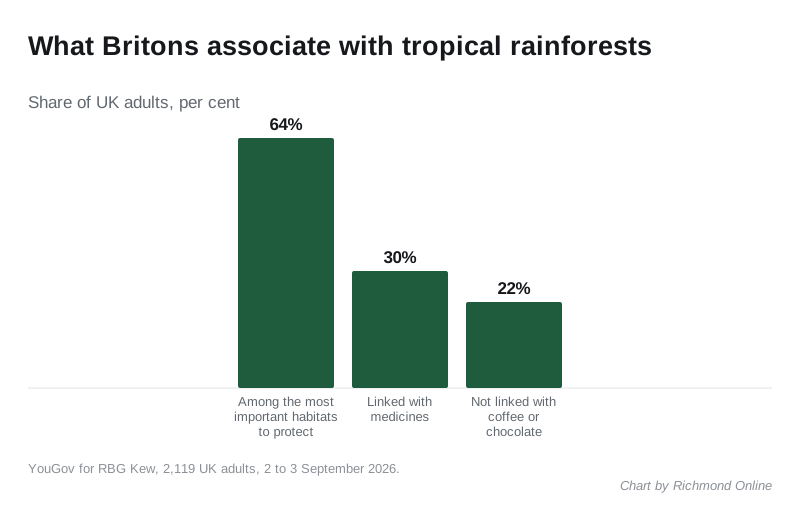
Kew published a YouGov survey alongside the appeal. The poll asked 2,119 UK adults on 2 and 3 September 2026. It found:
- 64% consider tropical rainforests among the most important habitats to protect
- 30% associate rainforests with medicines, although Kew says about a quarter of modern medicines come from rainforest plants
- 22% do not associate rainforests with coffee or chocolate
What it means for you
If you want to see the Palm House full of plants, go before February 2027. Kew’s £10 Tuesday tickets run this autumn, according to its September announcement. Our Christmas at Kew page covers the winter light trail, which runs separately from the glasshouses.
The empty glasshouse will be a one-off. Kew plans a temporary reopening in summer 2027 so that people can walk through the bare ironwork before the builders arrive. No dates are published yet. We have added it to our diary and will report them.
Giving is through the appeal page. The 2025 release also gave a telephone line for donors, 020 8332 3246.
Kew Gardens is one of the borough’s biggest attractions. Our things to do in Richmond page has the opening hours and the ways to get there without a car.
Have your say